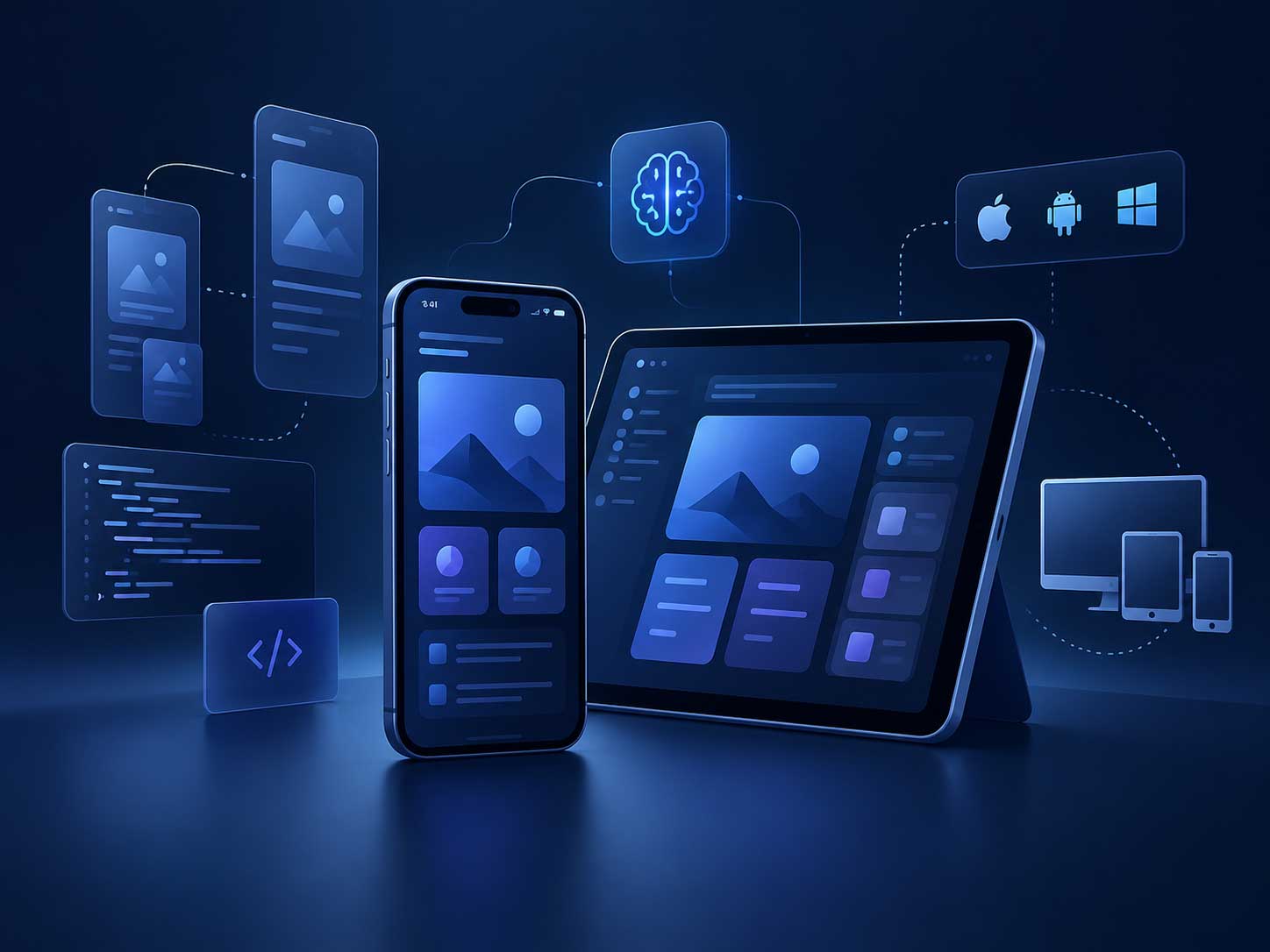


As businesses scale and systems grow in complexity, IT downtime becomes a silent killer. Enter self-healing infrastructure — a new generation of AI-driven systems that detect, diagnose, and fix issues autonomously.
Downtime has always been one of the most expensive problems in enterprise IT. Traditional monitoring tools could only alert engineers after an issue had already disrupted operations. But today, AI is rewriting that story — introducing self-healing infrastructure, where systems no longer wait for humans to fix them. They fix themselves.
Modern AIOps (Artificial Intelligence for IT Operations) platforms analyze millions of events, logs, and metrics in real time. Using predictive analytics, they can detect anomalies long before they become incidents. Once an issue is identified, automated workflows instantly apply fixes — from restarting failed services to reallocating resources in the cloud — without human intervention.
This shift is more than automation; it’s a mindset change. Instead of reacting to failure, organizations are now preventing it. AI doesn’t just detect broken components; it understands why they break and continuously learns from every event to strengthen resilience.
The impact is huge:
Reduced downtime and service interruptions.
Faster incident response and lower operational costs.
Continuous optimization without 24/7 manual monitoring.
For modern enterprises embracing digital transformation, self-healing infrastructure represents a competitive edge. It frees IT teams from firefighting and allows them to focus on innovation — building smarter, faster, and more reliable systems for the future.
At Mascot MNG, we believe this is the natural evolution of IT. As AI becomes the nervous system of enterprise operations, self-healing will no longer be optional — it will be expected.